
Colorado Snowfall Predictions for Winter 2026–27: What El Niño Means
September 26, 2025
Last winter was rough. Thin bases, a lot of groomer days, not much to write home about. So the question we hear most at the counter right now is simple: is it going to snow this year?
Honest answer: a historic El Niño is building in the Pacific, and it's the biggest weather story heading into 2026–27. It tilts the odds toward a better winter for a lot of Colorado. It doesn't promise pow for Vail, Breck or Beaver Creek. Here's what El Niño is, what it's meant for these mountains before, what forecasters are saying now, and how to plan around it. We'll keep this updated all season.
The Short Version
- El Niño is here, and it's huge. NOAA says it's still strengthening, with an 83% chance it becomes the strongest El Niño on record by late fall. Expect it to stick around through at least March.
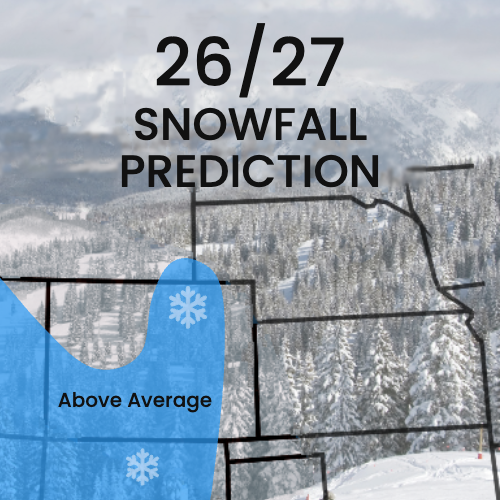
- Southern Colorado is the big winner on paper. The San Juans, Wolf Creek and Telluride have the best odds of an above-average winter.
- Vail, Breck and Beaver Creek are a coin flip. Forecasters don't see a clear wet or dry lean for the central mountains. Not bad news. Just honest news.
- The season's already rolling. Snow guns fired up at four resorts in mid-October, and Breckenridge opens November 6.

What Is El Niño, and Is This a "Super El Niño"?
El Niño is when the ocean in the central and eastern tropical Pacific runs warmer than normal. That warm water shifts the jet stream, and the jet stream steers winter storms across the country.
- In a typical El Niño winter, the storm track sags south. California, the Southwest and the southern Rockies tend to get more storms. The Pacific Northwest and northern Rockies tend to run warm and dry.
- Colorado sits right in the middle. That's why El Niño hits so differently from one mountain to the next.
- "Super El Niño" isn't an official NOAA term. People use it for a very strong event, when the key stretch of the Pacific (forecasters call it Niño-3.4) runs about 2°C (3.6°F) or more above normal. NOAA's October update had it at +2.1°C. So yes, this one counts.
The last big ones were 1982–83, 1997–98 and 2015–16. Last winter was La Niña, the opposite pattern. This year it's flipped, hard.
What El Niño Has Historically Meant for Colorado Snow
There's no simple rule, but past El Niño winters show a few patterns:
- Southern Colorado usually does best. Wolf Creek, Purgatory, Telluride and Silverton sit closest to the southern storm track.
- The central mountains are mixed. Vail, Beaver Creek, Breckenridge and the rest of the I-70 corridor have had big El Niño winters and below-average ones. Across the last ten El Niño winters, most of the state finished close to normal.
- East of the Divide can get a bump. El Niño can favor upslope storms, which push in from the east and pile snow on spots like Winter Park, Loveland and Eldora.
- Stronger isn't automatically better. Some of the strongest El Niños on record were ordinary snow years for central Colorado.
- January through March is the window to watch. That's when El Niño's pull on the storm track is expected to peak.
Bottom line: El Niño changes the odds, not the outcome. Watch the storms as they come, not the seasonal headline.
What the Forecasters Are Saying for 2026–27
- NOAA's official Winter Outlook (released October 16, covering December–February) favors a wetter-than-normal winter across the Southwest and the South, and a warmer, drier one for the northern Rockies. Colorado's central mountains land in between with no strong tilt.
- OpenSnow's winter forecast calls for above-normal snow in southern and eastern Colorado, including Telluride, Silverton, Purgatory, Wolf Creek, Eldora, Winter Park and Loveland. For Breck, Vail and the other central mountains west of the Divide, there's no clear signal either way. Northern Colorado leans warmer than normal.
- Elevation is on our side. Colorado has the highest ski resorts in the country. Even in a warm winter, that height keeps snow falling as snow.
After Last Winter, Why This Season Matters
The 2025–26 winter was one of the driest Colorado has seen. Snowpack hit record lows in a lot of places, and fewer people skied the state than in any season in more than 35 years.
We rode it anyway: sharp edges, fast groomers, a lot of park laps. The resorts spent the off-season getting their snowmaking ready, and that matters for you. Snowmaking runs are the ones that open first, snow or no snow.
How the 2026–27 Season Is Starting
Mid-October brought the first real snow to the high country, plus the cold nights snowmaking needs. By October 15, Arapahoe Basin, Copper Mountain, Keystone and Loveland were all blowing snow. Keystone is already selling lift tickets for October 24, and more snow is in the forecast this week.
Opening days: Breckenridge November 6, Vail November 13, Beaver Creek November 25. Every date is in our Colorado ski resort opening days guide.
2026–27 Snow Forecast by Resort
Vail Snow Forecast
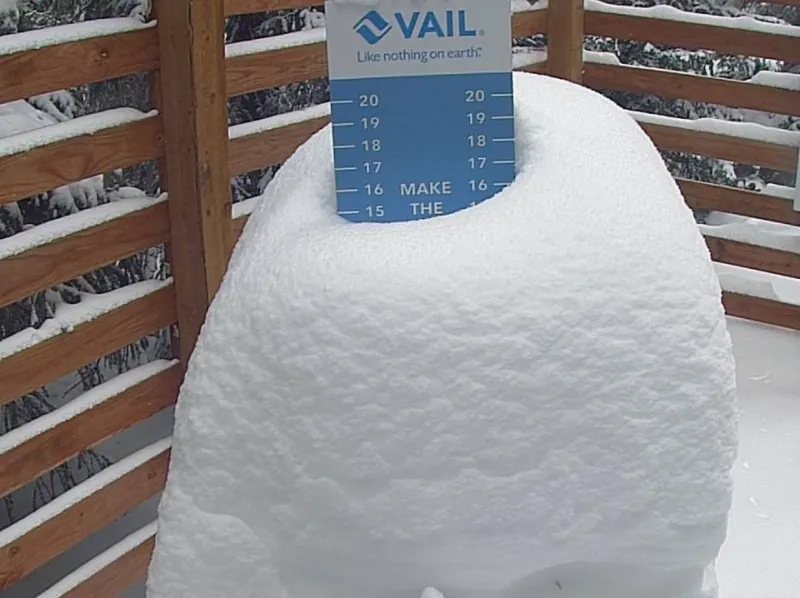
Vail averages 250 inches of snow a season. Opening day, November 13, runs on snowmaking off the front side. The Back Bowls and Blue Sky Basin need natural snow, so in an average year they wait until December. This year's outlook doesn't lean either way for Vail. Plan on a normal winter and be ready to pounce when a storm lines up.
Get fitted before your first day: Vail ski rental rates →
Breckenridge Snow Forecast
Breck's base sits around 9,600 feet, one of the highest in North America. Cold, high terrain means efficient early snowmaking and snow that holds up. It's the first of our three mountains to open, on November 6, usually with solid early terrain on Peaks 8 and 9. Forecasters don't see a strong lean here either, and that elevation is a real edge if the winter runs warm.
Breckenridge ski rental rates → · New this season: rental delivery in Breckenridge
Beaver Creek Snow Forecast
Beaver Creek opens November 25, the day before Thanksgiving. That later date gives snowmaking and early storms more time to build a base, and its groomers are worth the wait. The outlook matches the rest of the central mountains: no clear signal.
Beaver Creek ski rental rates → · Avon rates →
Month by Month: What to Expect
| Month | What it usually looks like |
|---|---|
| November | Openings on snowmaking. Limited groomers, light crowds |
| December | Natural snow fills in terrain. Busy Christmas week |
| January | Cold, often the best snow of the year. Quiet after MLK weekend. El Niño's peak window starts |
| February | Deeper base, more terrain. Busy Presidents' Day week |
| March | Colorado's snowiest month at many resorts, and still in El Niño's peak window |
| April | Spring snow, soft afternoons, late storms possible |
How to Plan a Ski Trip in an El Niño Winter
- Don't wait for the perfect forecast. Holiday weeks fill up whatever the snow does. Book lodging and rentals now and stay flexible on which days you ride.
- Eye January through March. That's when El Niño should have the most pull on the storm track.
- Rent instead of hauling your gear. We tune our fleet for what's actually on the ground: sharp edges for firm early-season snow, the right wax for spring. Conditions change mid-trip? Swap.
- Skip the rental line. We bring skis, boards, boots and helmets to your lodging in Vail, Beaver Creek, Avon and Breckenridge, fit everyone right there, and pick it all up when you're done.
Where to Follow the Daily Forecast
Seasonal outlooks are the big picture. For the next storm, here's what our crew checks before first chair:
- OpenSnow Colorado Daily Snow: Joel Gratz and team, the go-to for Colorado skiers
- Chris Tomer on YouTube: detailed mountain weather breakdowns
- NOAA's monthly El Niño update: the next one drops November 12
Frequently Asked Questions
Will Colorado get a lot of snow this winter (2026–27)? Nobody can promise it. A historic El Niño favors southern and eastern Colorado. For Vail, Breck and Beaver Creek, forecasters see no clear lean, so a near-normal winter is a fair bet. The early season is off to a good start either way.
What does El Niño mean for Colorado skiing? It pushes the winter storm track south. Southern Colorado usually benefits most. The central mountains have had both big and below-average El Niño winters, and the strongest influence tends to show up January through March.
What is a Super El Niño? An informal name for a very strong El Niño, when the key stretch of the tropical Pacific runs about 2°C or more above normal. NOAA's October update put it at +2.1°C, with an 83% chance it beats every El Niño since 1950 by late fall.
Is El Niño good for Vail and Breckenridge? It's mixed. Both have had big and below-average El Niño winters, and this year's forecasts don't lean either way. Both sit high with plenty of snowmaking, so early-season skiing is solid regardless.
When is the best time to ski in Colorado this season? For snow quality and value, January after MLK weekend and early December. For the deepest base, February and March, which also land in El Niño's peak window. See the best time to go skiing in Colorado.
When do Colorado ski resorts open for 2026–27? Breckenridge opens November 6, Vail November 13 and Beaver Creek November 25. Keystone and Arapahoe Basin open as soon as conditions allow, possibly in October. See our opening days guide.
Pow Day or Groomer Day, We've Got You Dialed
Whatever this winter brings, our crew will have your gear tuned for it. Grab it at our shops in Vail, Beaver Creek, Avon and Breckenridge, or we'll bring it to you. Book online and get on the hill sooner.
Book rentals → · Get gear delivered →
Keep Exploring
Sorry, we couldn't find any posts. Please try a different search.